October 2, 2026
Garage doors are essential components of many homes, providing security and convenience. Regular maintenance by a garage door service is crucial to ensure that these heavy and often-used doors continue to function safely and efficiently. During maintenance checks, homeowners frequently encounter issues such as broken springs, malfunctioning openers, misaligned tracks, sensor problems, worn-out rollers, and cable issues. Each of these problems can lead to significant inconvenience if not addressed promptly. By becoming familiar with common garage door issues, you can save time, money, and avoid frustration.
1. Broken Garage Door Springs
Understanding the Role of Springs
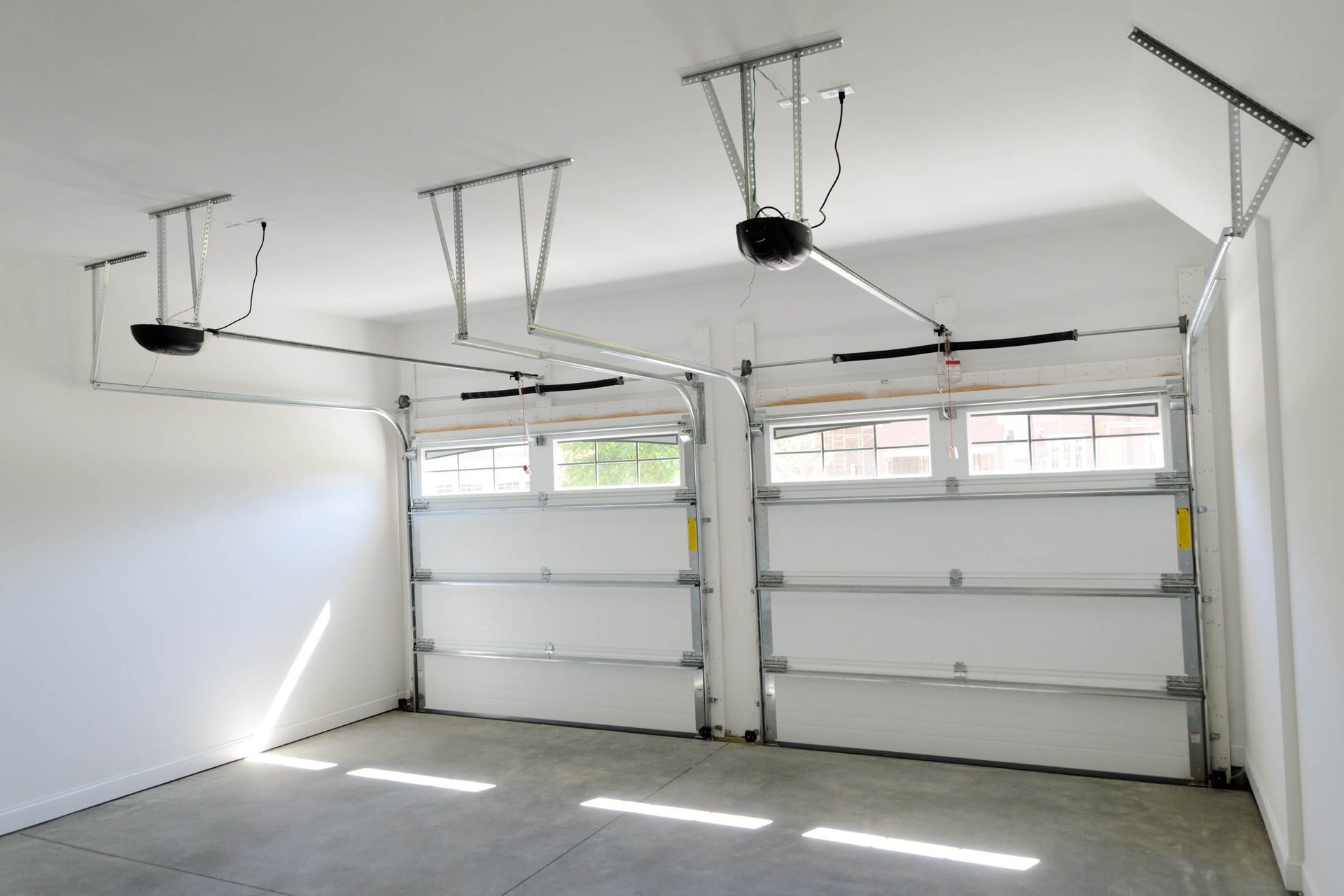
Garage door springs are vital for the door's operation, as they bear the weight of the door and facilitate its motion. These springs come in two main types: torsion springs, which are mounted above the garage door opening, and extension springs, found on either side of the door. When the door is opened, the springs unwind, allowing it to be lifted effortlessly. Unfortunately, springs are prone to wear due to the immense amount of tension they endure during each operation cycle. Regular checks help ensure that these components function optimally.
The lifespan of garage door springs is typically measured in cycles, with each cycle consisting of one complete opening and closing of the door. According to HomeGuide, most springs last for 10,000 to 20,000 cycles, covering about seven to 14 years for most homeowners. It's inevitable that over time, the springs will stretch or break. Given their role in lifting the garage door smoothly, malfunctioning springs can cause uneven or jerky door movements, which are often early indicators of spring-related issues. Regular inspections and timely replacements can prevent these symptoms from escalating into critical failures.
Signs Your Springs Are Worn Out
Observing the operational patterns of your garage door is essential for diagnosing worn-out springs. One common indicator is a noticeable delay or difficulty in lifting the door with the opener or manually. Springs gradually lose tension over time, which means the opener must work harder to compensate, often resulting in the door not fully opening. Additionally, if the door slams down suddenly without resistance, it could signify a broken spring, compromising the safety and control expected from the door's operation. Such symptoms necessitate immediate attention from a garage door service to prevent further damage.
Types of Springs: Torsion vs. Extension
Torsion and extension springs serve similar functions but operate differently and have distinct advantages and disadvantages. Torsion springs are mounted above the garage door and use torque to lift the door. Known for their durability and longevity, they tend to be more expensive upfront but often last longer than extension springs. On the other hand, extension springs are usually located above the horizontal tracks on both sides of the door. They extend and contract with the door's movement and are generally less costly initially but may require more frequent replacements.
DIY vs. Professional Spring Repair
When faced with a garage door spring issue, homeowners must decide between DIY repairs and hiring a professional garage door service. DIY repairs are tempting for those confident in their abilities and looking to save money. Basic maintenance like lubrication can often be handled independently; however, replacing springs is a complex and hazardous task. Mishandling can lead to injury or further damage to the garage door system, complicating issues rather than resolving them.
2. Malfunctioning Garage Door Opener
Common Opener Problems
Garage door openers are susceptible to various issues that can hinder efficient operation, ranging from minor glitches to significant malfunctions. Common problems include the door not responding to remote commands, inconsistent opening or closing, and the opener motor running without any door movement. Signal problems can result from battery issues or interference from nearby electronic devices, hindering the remote's ability to communicate with the opener. Additionally, physical obstructions in the track or binding door components can cause the system to jam.
Troubleshooting Opener Issues
Effective troubleshooting begins with identifying the specific nature of the problem. For remote issues, checking battery life and signal obstructions or interference can quickly rule out these common causes. If the opener fails to respond, examining the power source and ensuring the opener is plugged in and functional should be the first step. Misaligned sensors can also impede proper operation, necessitating sensor alignment or cleaning to restore functionality.
Replacing Your Opener
Knowing the signs that indicate a garage door opener needs replacing can save time and money, along with preventing frustration. We've found that the average opener lifespan is typically 10 to 15 years, depending on use and maintenance quality. If an opener becomes unreliable or frequently needs repairs, replacing it may be more cost-effective and reliable in the long run. Constant repairs not only inconvenience homeowners but also can become more costly cumulatively over time than investing in a new unit.
Maintaining Your Garage Door Opener
Regular maintenance is key to extending the lifespan and reliability of a garage door opener. Simple tasks such as routinely inspecting and cleaning the opener's mechanical and electrical components prevent dust and dirt from affecting efficiency. Applying lubrication to moving parts like chains or screws reduces operational strain and prolongs component life. Owners should ensure that track mechanisms function smoothly, adjusting or tightening parts when necessary to avoid unnecessary mechanical stress.
Cost of Repair vs. Replacement
When considering whether to repair or replace a malfunctioning garage door opener, weighing cost implications is crucial. Repairs on older models might bring financial benefits short-term but could introduce recurring costs due to the age and wear of other components. Consulting with a professional garage door service ensures a cost-benefit analysis is conducted accurately, evaluating both immediate financial impact and long-term reliability. Repair costs sometimes approach or surpass replacement costs if components demand constant upkeep or if technology advances render current systems obsolete.
3. Garage Door Track Misalignment
Identifying Track Issues
Identifying track issues promptly prevents a chain reaction of operational setbacks and ensures optimal garage door function. Symptoms of track misalignment include a noisy opening motion, uneven door operation, or the door refusing to open or close fully. Regular visual inspections can reveal whether tracks are bent, blocked, or if there are gaps between the door and the track. Aligning the door track and ensuring fastenings remain robust avoids compromised operational conditions, reducing unnecessary strain on opener mechanisms.
Listen for grinding or scraping noises during door movement, which indicate that tracks may be out of alignment or obstructed. These sounds typically arise from bends in metal tracks or debris lodged within guiding systems. Catching these signs early enables homeowners to rectify issues before wear develops into significant damage. Maintaining smooth track operations involves periodic cleaning, lubrication, and tightening fixtures that secure the track's position. Consistent attention averts misalignment and ensures longevity.
Tools Needed for Realignment
Aligning a garage door track requires specific tools to ensure proper and safe realignment. Essential tools include pliers for bending tracks into shape, a rubber mallet for gently coaxing stubborn track sections back into place, and a level for assessing precise alignment. Additional requisites encompass a socket or adjustable wrench for tightening bolts and screws that secure the track, ensuring it's firmly fixed in an optimal position. The correct tools empower homeowners to address misalignments effectively and should be part of a basic home maintenance toolkit.
Track maintenance often necessitates cleaning materials such as damp cloths to clear away any dirt or debris lodged in the tracks. Lubricants, preferably silicone-based, aid in ensuring that the rollers glide smoothly along the track, reducing friction and wear. Keeping lubricants and cleaning agents at hand allows rapid responses to new problems emerging, limiting the potential for both mechanical stresses and functional hiccups.
Maintaining a safe, quiet, and reliable garage door requires recognizing the early warning signs of component wear. While minor maintenance like cleaning tracks, lubricating moving parts, and replacing remote batteries can be easily handled as DIY tasks, complex or high-tension repairs are always best left to qualified professionals. To learn more from a reliable garage door service, reach out to Dunmires Overhead Garage Door Service today.